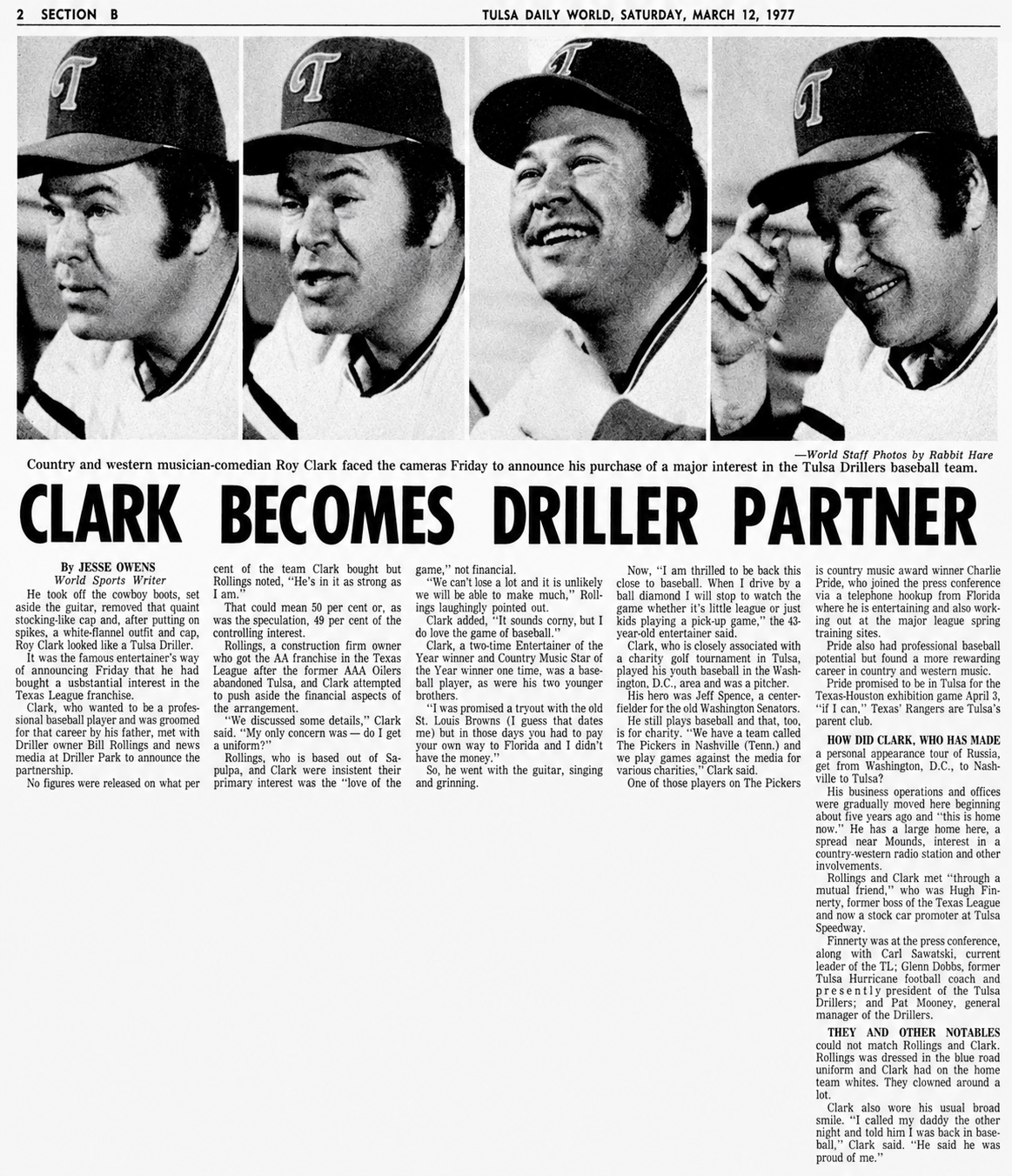
Roy Clark wanted to be a ballplayer.
At 18, he had a chance to try out for the St. Louis Browns. It was 1951, Joe DiMaggio’s final season and Mickey Mantle’s first. The major leagues had only 16 teams, St. Louis was baseball’s westernmost city, and players still traveled by train.
Roy could not afford the fare to training camp, and the opportunity slipped away. Music became his life’s work.
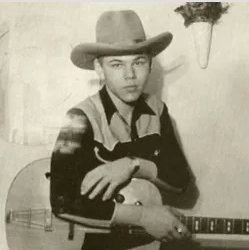
For much of the 20th century, baseball in Tulsa meant the Tulsa Oilers. By the mid-1970s, the Triple-A team was still playing in the same Tulsa State Fairgrounds ballpark that opened in 1934, more than 40 years earlier.
The Oilers were owned by A. Ray Smith, father of Emily Smith, Leon Russell’s longtime friend and the inspiration for the song “Sweet Emily.” For years, Smith had sought help repairing or replacing the deteriorating stadium. When none came, he moved the Oilers to New Orleans after the 1976 season and retained the Oilers name.
The replacement came from an entirely different franchise. Tulsa businessman Bill Rollings led the effort to acquire the Lafayette Drillers and bring them to Tulsa. The Double-A club had played only two seasons in Louisiana before the franchise was purchased for $40,000.
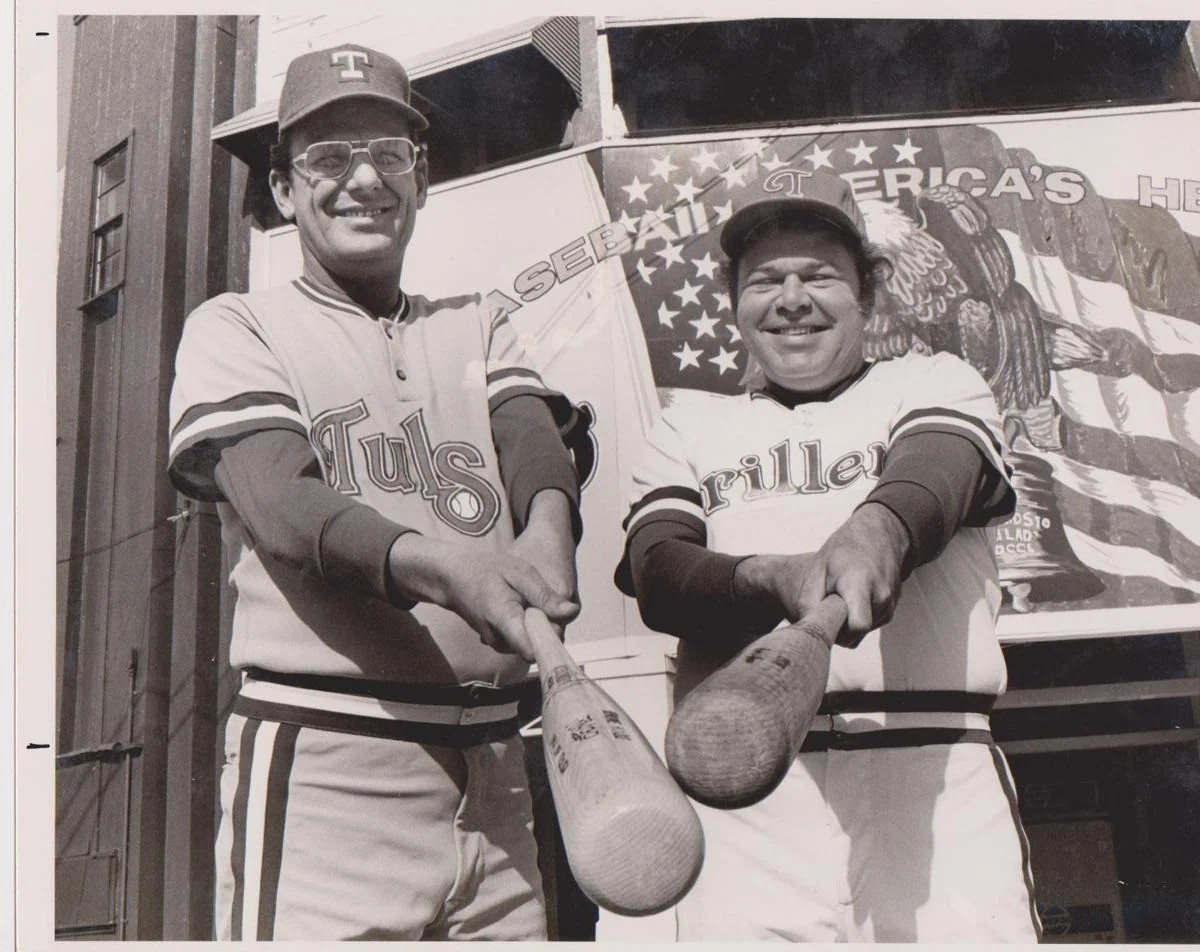
Twenty-six years after he could not afford the trip to the St. Louis Browns’ training camp, Roy had become one of country music’s most recognizable stars. Former Oilers general manager Hugh Finnerty helped bring Roy and Bill Rollings together. Roy was performing in Las Vegas when he learned that Tulsa had secured the new team. According to Roy, Finnerty asked whether he would be interested in becoming involved. Roy’s answer was immediate: “I’d love to, but there’s one requirement. Do I get a uniform?” Roy ultimately purchased a 49 percent interest in the corporation that owned the team.
The Lafayette franchise already carried a name that seemed made for its new home: the Drillers. In a city still known as the Oil Capital of the World, with the Golden Driller standing near the ballpark, it was hard to imagine calling them anything else. The new Tulsa Drillers took the field in 1977. Tulsa had not missed a season of professional baseball.
During an exhibition game between the Texas Rangers and Houston Astros on April 3, 1977, part of the aging wooden grandstand gave way during a rain delay, injuring more than a dozen spectators. Much of the old structure came down afterward, leaving the Drillers to play their first season with temporary seating and no roof. Bad weather added to their troubles, but the team still won the first-half Eastern Division championship. “As you know, we’ve had the worst luck in the world,” Roy said in archival footage shared by Tulsa Films. “We’ve played about four games under tornado watches and then trying to make do with a temporary home park, so it’s got to get better from here. I don’t think it’s taken anything away from the team. The team is fantastic. They have just begun to fire.”
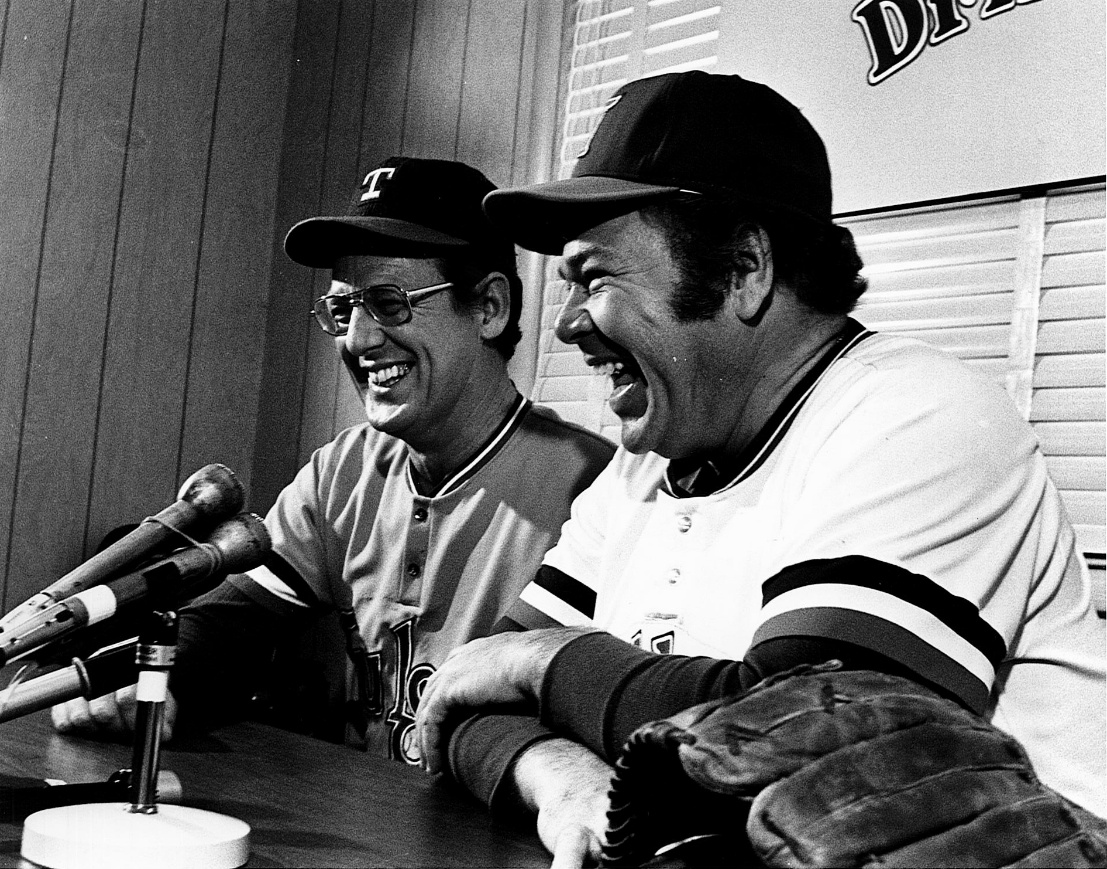
The Drillers reached living rooms across the country one night in August 1977, when Roy appeared on NBC’s The Tonight Show. Wearing a Tulsa Drillers uniform and cap, he used his appearance to talk about the new team.
Pat Mooney, the Drillers’ general manager in 1977, remembered Roy dressing out, working out and playing catch with the players, especially as the team approached the playoffs. “He would get back from being on tour and the next day at 4 p.m. he would be at the ballpark,” Mooney recalled. Roy watched games, talked baseball with fans and even invited the players to a party at his home.
By the late 1970s, crowds sometimes averaged only 700 to 800 a game, leaving Roy and Rollings to cover the losses. “Roy and I really struggled to keep it here,” Rollings later recalled. They wanted a family of four to be able to attend a game, have hot dogs and Cokes, and enjoy the entire evening for $20. For both men, it was about serving the community, not making money.
In 1979, Tulsa County voters narrowly rejected a bond issue for a new stadium. The defeat could have ended the Drillers’ short run in Tulsa.
Channel 2 sports director Jerry Webber proposed taking the appeal directly to the public through television. Roy already had the connections to turn the telethon into something much larger than a local fundraising appeal.
Beginning in 1975, Roy hosted the Roy Clark Celebrity Golf Classic at Cedar Ridge Country Club, drawing leading figures from entertainment, sports and politics to Tulsa. By the time the annual event ended in 1983, it had raised more than $1 million for Children’s Medical Center.
The tournament also turned several of Roy’s boyhood baseball heroes into friends. “That’s how I became real close friends with Mickey Mantle, Roger Maris and Yogi Berra,” Roy recalled. For the telethon, Roy drew on his Hee Haw connections, bringing an estimated 10 to 15 people from the show to Tulsa, including George “Goober” Lindsey and Tulsa native Gailard Sartain.
On Tuesday evening, May 20, 1980, Channel 2 donated 90 minutes of airtime for the Driller Park Telethon. Webber and Roy hosted the broadcast with Mantle, now one of Roy’s close friends. Tulsa baseball historian Wayne McCombs remembered $90,000 being raised during the broadcast. The calls continued afterward, and by the following evening, the Drillers reported more than $150,000 in pledges.
The telethon gave the stadium effort momentum. Oilman Robert B. Sutton committed major funding, and Tulsa County helped make the new ballpark possible. It opened at the Fairgrounds in 1981. Initially named Robert B. Sutton Stadium, it later became Tulsa County Stadium and, finally, Drillers Stadium. Roy remained part-owner through the 1982 season, when the Drillers won their first Texas League championship.
“Bill Rollings and Roy Clark literally saved professional baseball for Tulsa,” said Brian Carroll, the Drillers’ Assistant General Manager and Vice President of Public Relations & Baseball Operations. “Without their efforts and sacrifice, the long and storied history of Professional baseball in our city would be much different.”
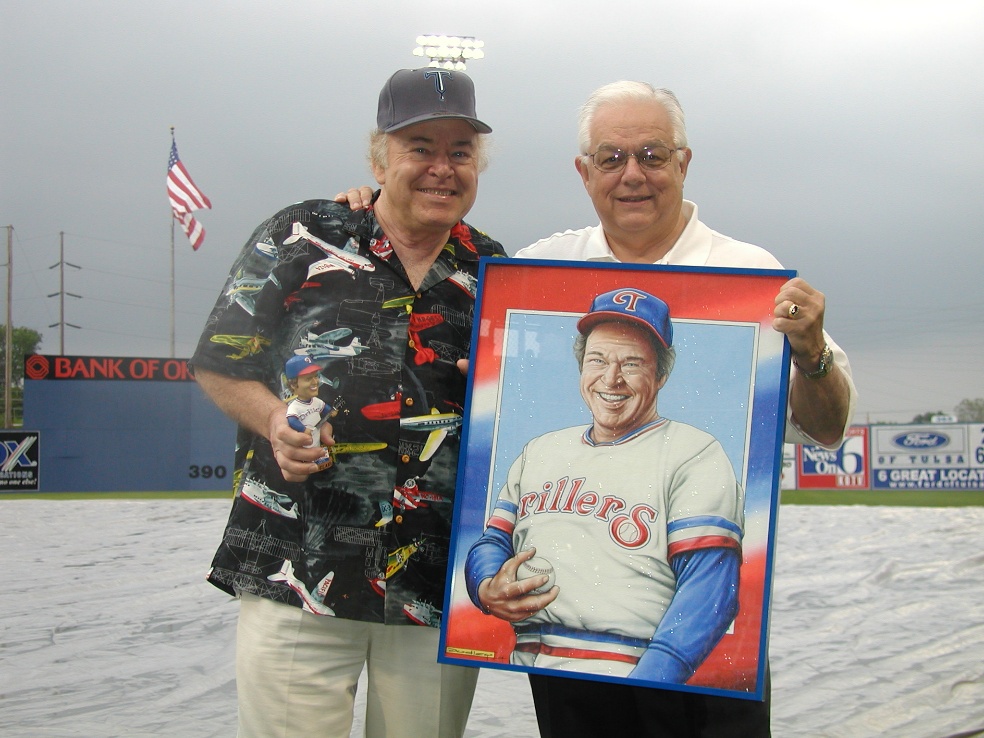
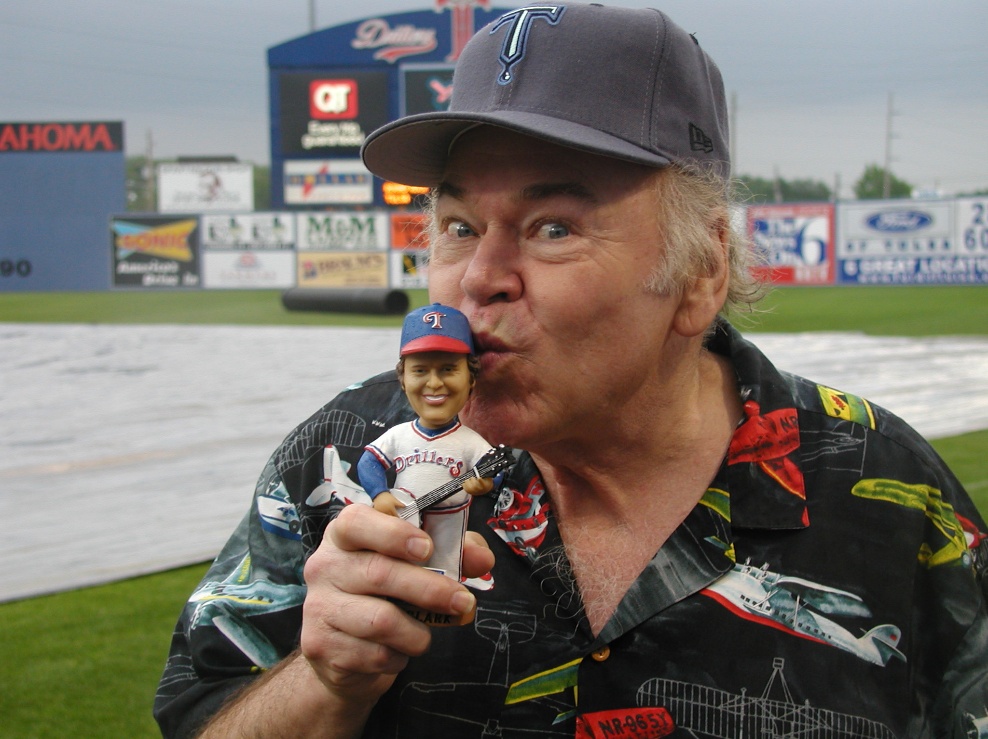
In 2004, just four years after the Drillers established their Wall of Fame, Roy was inducted for his role in the team’s history. Standing beneath the portraits of earlier honorees at Drillers Stadium, he looked around and said simply, “This is special.”
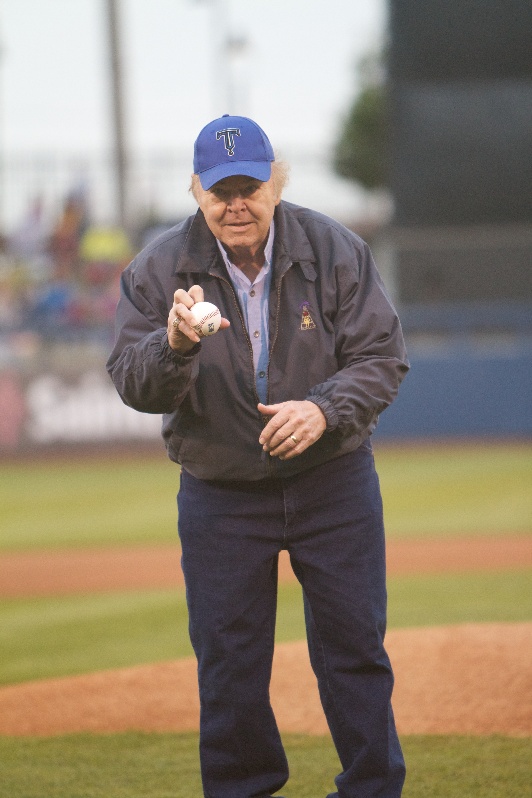
Eight years later, Roy returned to throw out the ceremonial first pitch at the Drillers’ 2012 home opener at ONEOK Field. Wayne McCombs was there. “When I saw Roy do that, I’m sure most of the fans had no idea how much he meant to baseball in this town,” McCombs recalled.